

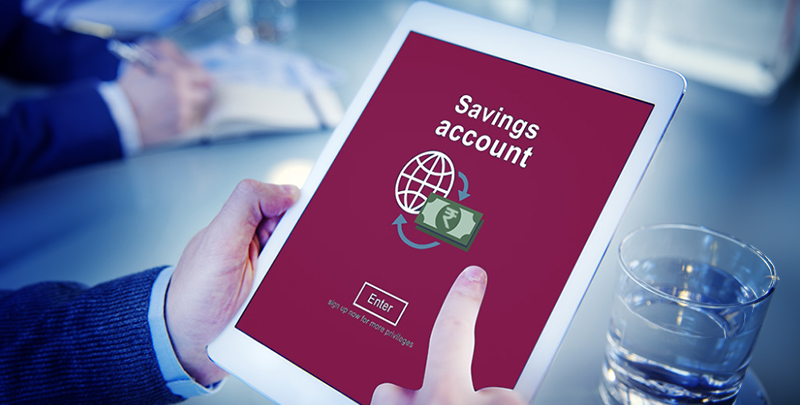
The way most Indians open and manage bank accounts has changed a lot over the few years. What once required a branch visit lots of paperwork and a long waiting period can now be done in under ten minutes from a phone. Online savings accounts. Digital-first accounts offered by banks through their apps and websites. Have made this shift possible.
But online savings accounts are not just convenient to open; they also offer an everyday banking experience in several ways that matter to most savers.
How Does an Online Savings Account Differ from an One?
A traditional savings account is set up. Managed through a physical branch. You have to visit the branch in person submit documents and sign with wet ink. If you need to make changes. Like updating your address or requesting a cheque book. You may also have to visit the branch or make phone calls during business hours.
An online savings account is opened digitally. You submit documents via the banks app or website do a video call with a bank representative to verify your identity and get your account number, virtual debit card and banking access within minutes. You can manage your account entirely through the app.
Where Online Accounts Clearly Win
* Higher interest rates. Online accounts often offer interest rates than traditional savings accounts at the same bank. Because digital accounts have costs. No branch overheads, fewer staff, less paperwork. Banks pass some of those savings on to digital customers in the form of better rates. Online savings accounts offer interest rates.
*. Zero fees. Traditional savings accounts often come with charges for things like SMS alerts, ATM usage, demand drafts and NEFT/RTGS transfers. Online accounts at banks now offer zero fees on these essential services. Online accounts have fees.
* 24/7. Real-time transactions. With an account you can check your balance, transfer funds, pay bills or set up a recurring deposit at any time. Traditional branch-based banking is limited by working hours and location. Online savings accounts offer 24/7 access.
* Instant account activation. With Aadhaar-based e-KYC or video KYC most digital savings accounts are activated within minutes. A traditional account may take a days before you can start transacting. Online accounts are activated instantly.
* Zero. Low minimum balance. Many digital accounts. Including some from private banks. Offer a zero balance option. Traditional savings accounts at banks require an average monthly balance of ₹1,000–₹25,000. Online savings accounts often have zero or minimum balance requirements.
Where Traditional Accounts Still Have an Edge
A physical branch is still useful for some needs. Like cash deposits demand drafts, locker access or high-value transactions. Senior citizens and those with smartphone access may also find branch-based banking more reassuring.
For these users or for managing financial relationships a traditional account with branch support has real value.. For everyday banking needs. Like salary deposits, UPI payments, bill payments, fund transfers, FD bookings. An online account is faster, cheaper and more convenient. Online savings accounts are better for everyday banking needs.
Online savings accounts are not a digital version of the same product. They offer a much better experience for most users. Higher interest rates, lower fees, instant activation and 24/7 access all combine to make the digital account the obvious choice for savings and transactions. The branch remains a fallback, not a requirement. For anyone who has not yet switched to or added a savings account the process takes less, than ten minutes and the benefits start immediately. Online savings accounts are a choice.