

Travel has long been regarded as one of life’s greatest luxuries and privileges. It is more than just a change in location; it is a transformative experience that reshapes perspectives, broadens horizons, and enriches the soul. Whether for leisure, exploration, or business, the act of travel taps into our innate desire to experience the world beyond our familiar surroundings. It connects us to new cultures, introduces us to diverse landscapes, and offers opportunities for personal growth in ways that few other activities can. The significance of travel, however, extends far beyond its immediate pleasures. It is an age-old ritual, woven deeply into the fabric of human history, with implications that stretch from personal well-being to global connectivity.
At its most fundamental level, travel is a quest for discovery—both of the external world and of oneself. For centuries, explorers, adventurers, and scholars have ventured beyond their borders in search of knowledge, new lands, or untold riches. From Marco Polo’s travels along the Silk Road to Amelia Earhart’s pioneering flights across the globe, history is filled with individuals whose journeys have defined eras and expanded the boundaries of human understanding. Travel, in this sense, has always been about pushing the limits of what we know, not just geographically, but intellectually and emotionally.
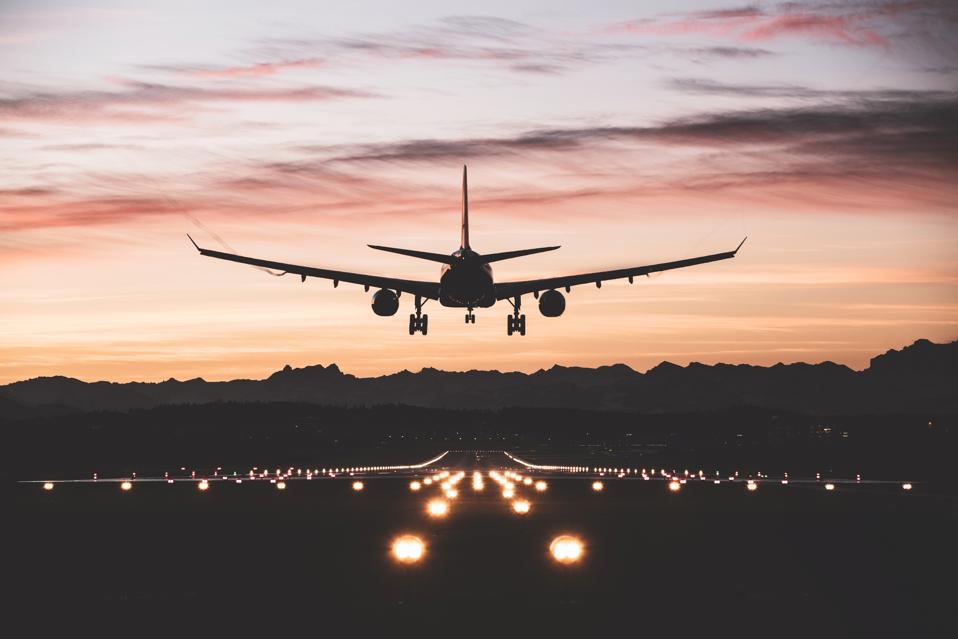
In the modern world, travel has become more accessible than ever before. Thanks to technological advancements in transportation and communication, the world is smaller than it has ever been. A direct flight from New York to Paris can take little more than seven hours, and a mere click can connect someone from Berlin to Bali. Yet, with this accessibility has come a certain complexity—travel has become an industry, a commodity, and in some ways, a challenge. The convenience of modern travel can often be overshadowed by the logistical hurdles of airports, time zones, security checks, and the environmental impact of long-haul flights. Despite these challenges, the allure of travel remains undiminished. Its promise of freedom, adventure, and renewal continues to capture the imagination of millions.
Today, people travel for a myriad of reasons. Leisure travel remains the most popular form, with vacationers seeking everything from beachside relaxation to mountain treks. The so-called “bucket list” destinations—places like the Great Wall of China, the beaches of Thailand, and the ruins of Machu Picchu—offer travelers the chance to witness some of the world’s most awe-inspiring landmarks and immerse themselves in the beauty of nature or human achievement. These journeys often provide moments of profound reflection, as individuals find themselves awestruck by the vastness of the world and humbled by the intricate tapestry of life that exists beyond their daily routine.
However, in recent years, there has been a noticeable shift in travel trends. Increasingly, people are seeking experiences that are not just picturesque, but meaningful. Experiential travel is on the rise, with travelers desiring more immersive and authentic encounters. This shift has been driven in part by a growing awareness of global issues, such as climate change, cultural preservation, and social justice. Many modern travelers are prioritizing sustainability, choosing destinations and accommodations that align with their values. Eco-tourism, which promotes responsible travel that conserves the environment and improves the well-being of local communities, has emerged as a key focus for both travelers and the travel industry.
Another significant trend is the rise of solo travel. In an era of hyper-connectivity, more individuals are choosing to explore the world alone, seeking personal enrichment, introspection, and freedom. Solo travel offers a unique kind of liberation, as it allows for the ultimate flexibility in choosing where to go, what to do, and how to experience the world without the influence of companions. This form of travel often leads to profound moments of self-discovery, as travelers navigate unfamiliar territories and overcome challenges independently. In fact, solo travel has become a rite of passage for many young adults, offering them a sense of empowerment and self-reliance.
At the same time, travel’s social dimension remains significant. There are few experiences more bonding than sharing a journey with others. Whether it’s a family road trip, a honeymoon to an exotic destination, or a group tour through a foreign city, travel provides a unique opportunity to strengthen relationships and create memories. The shared experiences—whether positive or challenging—often deepen connections and provide lasting memories that are cherished for years to come. Travel has a way of stripping away the everyday distractions and revealing the core of human connection, which is why many view it as a vital component of their personal and social life.
For those in search of new experiences, the definition of travel is continually expanding. Adventure tourism, for instance, invites people to go beyond traditional vacation experiences and seek adrenaline-pumping activities like bungee jumping, skydiving, or trekking to remote, inaccessible locations. This pursuit of adventure is often as much about the journey as it is about the destination. It speaks to a fundamental human desire for thrill and challenge, to prove oneself capable of navigating the unknown. Similarly, culinary tourism has gained significant traction, with food enthusiasts traveling the world to savor the authentic flavors of different cultures, from street food in Bangkok to fine dining in Paris.
The digital age has also brought about a democratization of travel. No longer reserved for the affluent few, travel has become more inclusive, with budget airlines, online booking platforms, and shared economy services such as Airbnb making it easier for people to travel on their terms and within their budgets. Technology has enabled the rise of “digital nomads”—individuals who work remotely while traveling the world. With an internet connection, these modern-day wanderers can explore new cultures and landscapes while maintaining a career, blending work with leisure in ways that were once unimaginable.
Despite these innovations, travel is not without its complexities and challenges. One of the most pressing concerns today is the environmental impact of travel, particularly air travel. The aviation industry is a significant contributor to carbon emissions, and as the world grapples with climate change, the travel industry must confront its role in contributing to this crisis. Sustainable travel practices, including carbon offsetting, eco-friendly accommodations, and a shift toward train and bus travel in lieu of flights, are gaining momentum. Travelers are increasingly aware of their ecological footprint and are seeking ways to minimize their impact while still experiencing the world.
In conclusion, travel is more than just the act of moving from one place to another. It is a powerful tool for connection, learning, and growth. It reflects our longing for discovery, our desire to understand the world around us, and our need to break free from the constraints of daily life. In the modern era, where convenience and technology continue to reshape the travel landscape, the essence of travel remains the same—an exploration of the world and of oneself. As we look to the future, the challenge will be to travel with purpose, responsibility, and mindfulness, ensuring that the journeys we take contribute not only to our personal growth but also to the well-being of the planet and its people.