

The retail landscape has undergone a profound transformation. Not long ago, completing a transaction required a physical wallet filled with paper currency, multiple plastic credit cards, paper receipts, and plastic loyalty tags. Checking out at a grocery store or an online storefront involved manual counting, card swiping, signature verification, or typing lengthy card numbers, expiration dates, and billing addresses. These steps introduced constant friction, increased checkout times, and exposed consumers to security vulnerabilities.
The rapid adoption of digital wallets has permanently altered this dynamic. A digital wallet is a software application that securely stores a user’s payment information, loyalty cards, tickets, and identification on a mobile device or cloud platform. By bridging the gap between traditional banking infrastructure and advanced mobile hardware, digital wallets have streamlined transactions. They remove structural bottlenecks from both physical and e-commerce retail, redefining how consumers interact with businesses globally.
The Core Mechanisms of Seamless Transactions
To understand how digital wallets minimize friction, one must examine the underlying hardware and software configurations that power them. These platforms utilize two primary communication frameworks to eliminate the physical handling of payment instruments.
Near-Field Communication for Physical Retail
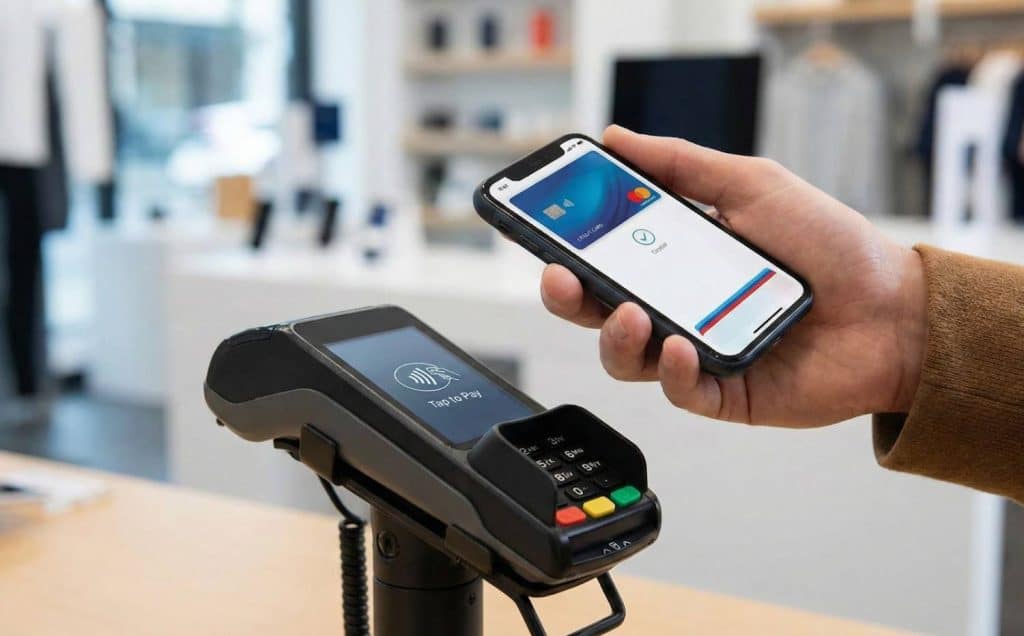
In brick-and-mortar environments, digital wallets rely on Near-Field Communication (NFC) protocols. NFC is a short-range wireless connectivity standard that enables devices to transmit data across a distance of a few centimeters.
When a shopper places their smartphone or smart wearable close to an NFC-enabled point-of-sale terminal, the device establishes an encrypted link. The entire transaction is authorized instantly without the customer ever removing a plastic card from their pocket, entering a physical PIN, or signing a paper receipt.
Unified API Integrations for E-Commerce
For online shopping, digital wallets circumvent the traditional checkout form. Instead of requiring the consumer to manually input a 16-digit credit card number, security code, and shipping address on every new website, digital wallets integrate directly into payment gateways via APIs.
A consumer simply clicks a single dedicated checkout button. The digital wallet securely passes the pre-verified shipping, billing, and payment data to the merchant instantly. This reduces the multi-step checkout sequence into a single confirmation gesture.
Advanced Security Architecture That Prevents Fraud
A primary factor driving the integration of digital wallets is the massive upgrade in transaction security. Physical credit cards are highly vulnerable to loss, skimming devices, and visual theft of printed numbers. Digital wallets employ advanced cryptographic concepts to isolate actual payment data from the transaction environment.
Tokenization Protocols
Digital wallets do not store or transmit actual credit or debit card numbers. Instead, they operate on a framework called tokenization. When a user links a card to their wallet, the issuing bank replaces the sensitive primary account number with a unique, randomly generated alphanumeric string known as a token.
This token is what passes to the merchant during a transaction. If a retailer suffers a cyber-attack or data breach, the intercepted tokens are completely useless to hackers, as they cannot be reverse-engineered to reveal the actual underlying bank account details.
Multi-Factor Cryptographic Authorization
Every digital wallet transaction requires real-time biometrics or local device authentication. A transaction will not initiate unless the user verifies their identity via:
-
Facial Recognition: Scanning distinct structural nodes of the user’s face.
-
Fingerprint Scanning: Utilizing biometric sensors integrated into the mobile hardware.
-
Secure Device Passcodes: Entering localized PIN codes that exist only on the hardware’s secure enclave.
This layered security creates a reality where even if a physical smartphone is stolen, the digital wallet remains entirely locked and inaccessible to unauthorized individuals.
Consolidating the Consumer Ecosystem into a Unified Hub
Beyond accelerating the direct exchange of funds, digital wallets simplify shopping by gathering multiple fragmented consumer tools into a single software interface.
Automated Loyalty and Reward Integration
Managing physical punch cards or plastic key tags for various retailers is notoriously cumbersome, leading many consumers to skip rewards programs entirely. Digital wallets resolve this by integrating store loyalty profiles directly alongside payment credentials.
Many systems employ location-based triggers or automatic linking. When a customer taps their phone to pay at a registered merchant, the digital wallet automatically applies the user’s reward membership number, calculates active discounts, and updates loyalty point balances simultaneously. This ensures consumers maximize financial savings without keeping track of physical membership cards.
Digital Storage for Tickets, Passes, and Documentation
The modern digital wallet functions as a comprehensive travel and entertainment repository. In addition to financial assets, the application stores boarding passes, movie tickets, event vouchers, transit passes, and government-issued identification cards. By standardizing these disparate documents into a single scannable barcode or NFC signal, consumers can navigate transit hubs, retail environments, and entertainment venues without managing physical papers.
Comparison of Transaction Framework Friction Points
Evaluating the exact structural adjustments between legacy payment options and digital wallets illustrates how effectively mobile platforms optimize the user experience:
Driving Conversion Rates and Operational Velocity for Retailers
The simplification of the modern shopping experience is not a one-sided benefit; it directly optimizes operations for retail enterprises as well.
Eradicating Cart Abandonment
In online retail, cart abandonment is a major drain on revenue. The majority of abandonments occur during the final checkout phase, when consumers are confronted with long, complex forms or cannot locate their physical wallets.
By removing these input hurdles, digital wallets lower the cognitive barriers to purchase. E-commerce sites that display prominent digital wallet checkout options experience measurable increases in conversion rates and significant reductions in abandoned sessions.
Accelerating Front-Lane Throughput
For brick-and-mortar storefronts, the time spent processing transactions directly affects total hourly revenue and customer satisfaction. Traditional card dip transactions can take anywhere from ten to thirty seconds to process, authenticate, and print a receipt.
An NFC digital wallet transaction completes in a fraction of that time. By speeding up front-lane checkout queues, stores reduce wait times, decrease labor constraints, and process a significantly higher volume of transactions during peak business hours.
Frequently Asked Questions
What happens to the money in a digital wallet if the smartphone battery dies completely?
Because the digital wallet app relies on the device’s screen and internal processor to initiate NFC transmissions and biometric checks, a completely dead battery renders the wallet temporarily unusable at a standard terminal. However, some premium mobile devices incorporate low-power express transit cards that retain enough residual energy to complete basic transit taps for a few hours after the main system shuts down. For standard retail purchases, consumers should carry a backup payment method or ensure their device remains charged.
Can digital wallets be targeted by wireless skimming devices in public places?
No. Unlike older physical contactless cards that could occasionally be read by powerful unauthorized scanners nearby, a digital wallet is completely dark until the user actively unlocks the device and authorizes a payment session via biometrics. Furthermore, because the transmission uses unique, single-use cryptographic security codes for each transaction, any intercepted data is entirely useless for creating fraudulent charges.
Are digital wallets subject to the same consumer protection laws as physical credit cards?
Yes. When a credit or debit card is linked to a digital wallet, the underlying account maintains all of its original legal protections. In the United States, regulations like Electronic Fund Transfer Act rules shield consumers from unauthorized transactions. If a fraudulent charge occurs via a digital wallet, the user holds the exact same zero-liability rights provided by their issuing bank or credit card company.
How do digital wallets manage currency conversions during international travel?
Digital wallets handle international transactions seamlessly by deferring to the conversion policies of the underlying payment card. The wallet app simply acts as the secure transmission medium. When the terminal requests a foreign currency amount, the digital wallet passes the tokenized credential, and the issuing card network performs the currency conversion using their real-time international exchange rates, applying standard foreign transaction fees if applicable.
What is the specific operational difference between an open wallet and a closed wallet system?
An open wallet system is a versatile application that can operate across various merchants, platforms, and financial networks, allowing users to make peer-to-peer transfers, pay utility bills, and buy goods at almost any retail store. A closed wallet system, conversely, is a proprietary framework built by a specific retailer or brand. The funds loaded into a closed wallet can only be spent directly with that specific enterprise, functioning essentially as a digital gift card ecosystem.
Do digital wallets require a continuous cellular data connection to complete a physical store purchase?
No. Digital wallets do not need an active cellular network or internet connection to complete an NFC transaction at a physical point-of-sale terminal. The application utilizes a pre-loaded pool of secure cryptographic tokens stored directly within the phone’s physical security chip. The terminal itself handles the online communication with the processing network to settle the transaction. An internet connection is only required periodically to download a fresh batch of tokens from the bank.