

The global automotive sector is experiencing a massive shift in how vehicles are styled, structured, and experienced. For decades, vehicle aesthetics were largely governed by internal combustion engine packaging requirements, strict manufacturing constraints, and traditional three-box sedan or two-box SUV proportions. Today, a combination of electric vehicle architectures, advanced materials science, aerodynamic regulations, and digital technology is completely redefining automotive design.
Modern vehicle design has shifted away from purely decorative styling toward deeply integrated, functional aesthetics. As cars transform from mechanical transportation into rolling digital devices, automotive designers face the challenge of blending high aerodynamic efficiency with strong visual identities. The current visual language of cars emphasizes sculptural minimalism, clean surfacing, advanced digital light integration, and highly immersive cabin spaces that prioritize user experience.
The Push for Aerodynamic Efficiency and Scalable Architectures
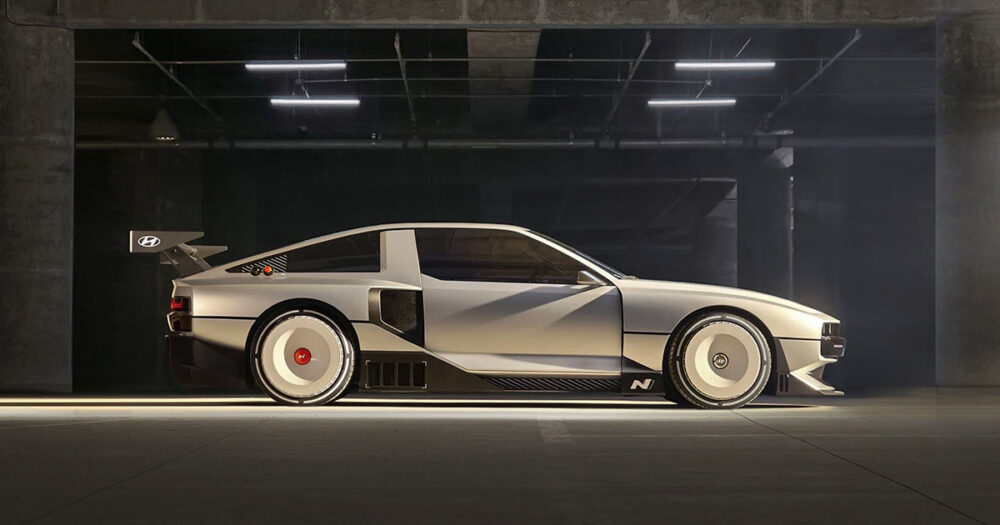
Aerodynamic drag is the single greatest consumer of energy at highway speeds, making efficiency a primary catalyst for modern exterior design. To maximize driving range and cut carbon emissions, automakers are utilizing highly streamlined shapes that glide effortlessly through the air. This focus has triggered a widespread move away from upright, boxy profiles in favor of sleek fastback silhouettes, teardrop roofs, and integrated rear spoilers.
The transition to dedicated electric platform packaging has given designers unprecedented freedom. By eliminating large forward combustion engines, heavy transmissions, and exhaust channels, engineers can position the wheels at the extreme corners of the chassis. This setup yields unique visual proportions, characterized by an elongated wheelbase, short front and rear overhangs, and a significantly low center of gravity.
-
Flush Integration: Traditional door handles and mechanical mirrors are being replaced by flush-mounted pop-out handles and compact camera-based side monitoring arrays to eliminate turbulences.
-
Clean Front Grilles: Because electric drivetrains do not require massive radiators, classic mesh grilles have been replaced by smooth, solid front facias that function as sculptural canvasses for branding.
-
Active Aero Ducts: Front bumpers now regularly incorporate variable intake shutters and lateral air curtains that channel airflow cleanly around the spinning front wheels.
These structural modifications do more than optimize battery efficiency; they create a futuristic, cab-forward proportion that instantly distinguishes modern vehicles from their legacy counterparts.
Advanced Lighting Architecture as the Core Visual Identity
Vehicle lighting has evolved from a basic nighttime visibility utility into a dominant styling signature and branding asset. The widespread implementation of thin matrix light-emitting diode technology has liberated designers from the bulk of traditional halogen or high-intensity discharge projector units. This freedom allows lighting elements to be sculpted into ultra-thin, intricate bands that wrap seamlessly around the vehicle bodywork.
Continuous light bars, often called horizon lamps or coast-to-coast tail lamps, have become a defining aesthetic element of modern vehicle front and rear views. These illuminated strips run completely across the width of the vehicle, accentuating its width and giving it a wider, more authoritative road presence.
Furthermore, the introduction of dynamic welcome animations and sequential turn signals gives vehicles a sense of life, reacting fluidly when the driver approaches with a digital key. Micro-LED matrices also let manufacturers integrate illuminated, variable logos directly into the front fascia or translucent body panels, turning light into the primary identifier of a brand’s corporate style.
Minimalist Surfacing and Premium Textural Finishes
The days of overly busy vehicle bodies covered in aggressive creases, faux vents, and excessive chrome accents are fading. The contemporary design ethos favors clean, reductive surfacing that allows light to drape naturally across smoothly curved panels. This design confidence relies on the precise tension of the body lines rather than a cluttered array of plastic bolt-on pieces.
To establish contrast without using loud visual add-ons, automakers are turning to chrome delete packages and sophisticated material finishes. Factory-applied matte, satin, and textured paint coatings are growing rapidly in popularity, deflecting harsh reflections and highlighting the underlying architecture of the sheet metal.
This clean canvas is paired with oversized, intricately designed alloy wheels that feature geometric, aero-efficient face inserts. These wheels provide the necessary visual anchor for the vehicle’s clean upper flanks, balancing futuristic minimalism with a athletic stance.
The Digital Cockpit Revolution and Tactile User Interfaces
The design revolution occurring inside the cabin is just as radical as the shifts on the exterior. The modern interior is anchored around the digital cockpit, frequently featuring ultra-wide, pillar-to-pillar display screens or high-contrast organic light-emitting diode panels that merge instruments, navigation, and infotainment into a single sweeping surface.
However, the industry is navigating a critical stabilization phase regarding total digital screen reliance. While early iterations of modern cockpits moved every single secondary vehicle operation into deep on-screen menus, current design winning directions are reintroducing a healthy balance of physical knobs and analog buttons.
Crucial secondary adjustments like cabin temperature controls, audio volume dials, and primary driving modes are being returned to tactile switchgear positioned directly at the driver’s fingertips. This shift ensures that the cabin remains highly advanced visually without sacrificing basic operational safety or muscle-memory convenience during highway travel.
Sustainable Luxury and Circular Interior Materials
The definition of luxury inside the automobile has fundamentally changed. High-end vehicle buyers are increasingly looking past traditional polished wood trim and heavy animal hides in favor of sustainable, bio-based alternatives that carry a distinct, high-tech aesthetic.
Design teams are utilizing high-performance textiles manufactured from recycled ocean plastics, upcycled post-consumer goods, and plant-based composite fibers like bamboo or eucalyptus pulp. These materials are not engineered to mimic leather; instead, they celebrate their unique fabric weaves, providing breathable, mathematically patterned surfaces that give the cabin a modern, lounge-like feel.
When paired with open-pore wood accents or laser-etched sustainable metal panels, these cabins deliver a calming, residential feel that turns the interior into a sanctuary from daily traffic stress.
Strategic Pillars Steering Modern Automotive Styling
For car companies to successfully navigate this hyper-competitive era of vehicle design, their styling departments must continually align execution around several vital design disciplines:
-
Achieving Low Aerodynamic Coefficients: Engineering exterior shapes that strike low drag values to directly improve overall vehicle energy economy and highway range performance.
-
Prioritizing Seamless Software Integration: Structuring screen layouts, graphics packages, and heads-up displays to serve as an intuitive extension of the user’s personal smartphone ecosystem.
-
Committing to Circular Life-Cycle Engineering: Developing body components and interior trim materials that can be easily dismantled and completely recycled at the eventual conclusion of the vehicle’s operating life.
The contemporary vehicle is a highly intricate blend of aerodynamics, advanced digital computing, and ecological responsibility. By looking past short-term, flashy styling fads and focusing on these deep structural shifts, automotive designers are creating a highly sophisticated generation of vehicles that look futuristic while functioning with absolute efficiency on the road.
Frequently Asked Questions
What is the distinction between a cab-forward design and a traditional long-hood proportion?
A traditional long-hood proportion is dictated by a front-mounted combustion engine, requiring a significant distance between the front bumper and the windshield base to house the mechanical components. A cab-forward design pushes the base of the windshield far forward over the front axle, utilizing the empty space left behind by missing engine components. This shift maximizes interior passenger space while creating a sleek, highly integrated profile.
How does the removal of physical side mirrors improve vehicle efficiency?
Traditional side-view mirrors act as major sources of aerodynamic turbulence, sticking out into the clean airflow along the sides of the car. Replacing these physical mirrors with compact, camera-based stalks reduces the overall frontal surface area of the vehicle. This minor change slashes drag coefficients significantly, helping to increase high-speed range while lowering wind noise inside the cabin.
Why are automakers moving away from traditional high-gloss chrome accents?
High-gloss chrome plating involves toxic manufacturing processes that are increasingly restricted by global environmental regulations. From an aesthetic perspective, traditional chrome is increasingly viewed as an outdated, legacy styling cue. Designers now prefer satin metals, darkened brushed finishes, and color-matched elements that project a more understated, premium, and contemporary look.
What is ambient lighting orchestration and how does it affect driver mood?
Ambient lighting orchestration refers to the use of indirect LED light arrays hidden within door cards, dashboards, and footwells that change dynamically based on the vehicle’s driving mode, time of day, or cabin temperature selections. Rather than acting as a static visual gimmick, these systems are engineered to reduce nighttime eye strain, create an open sense of interior space, and foster a relaxing environment for passengers.
How do oversized aerodynamic wheels maintain range efficiency despite their large size?
Large wheels historically increased drag because their open spoke designs created severe air turbulence as they spun. Modern large alloy wheels feature flat, geometric aero inserts that seal off the face of the wheel. This smooth surface prevents air from entering the wheel well, smoothing the airflow along the lower flanks of the car while still allowing enough cooling air to reach the brake systems.
What is adaptive reuse in the context of automotive interior architecture?
Adaptive reuse in automotive interiors refers to the design practice of configuring internal space for multiple distinct layout functions, such as shifting seats into a face-to-face configuration or expanding workspaces during autonomous driving modes. This requires steering columns, pedals, and center consoles to fold away completely flush into the surrounding architecture when they are not actively required for manual driving.